Nervous System
Why Trauma Lives in the Body
What The Body Keeps the Score teaches us about how trauma reshapes the brain and body — and why talk therapy alone often isn't enough.
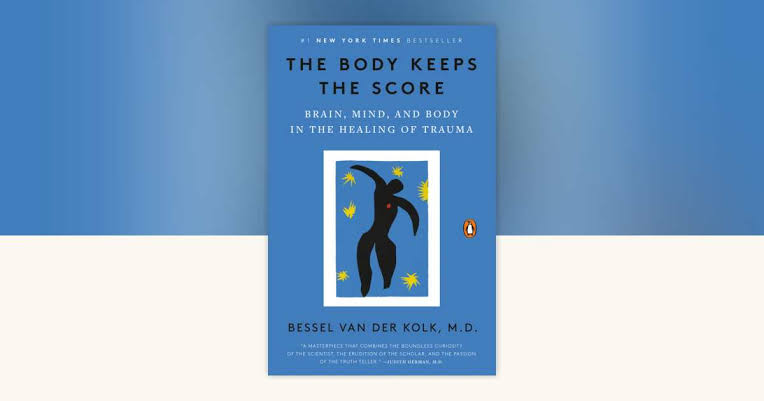
In The Body Keeps the Score, psychiatrist Bessel van der Kolk details how trauma reshapes both the brain and the physical body — and why traditional intellectualized approaches to therapy often fall short of full recovery.
1. Trauma Is Physical, Not Just Psychological
Trauma lives in the nervous system and visceral organs, not merely in memories or thoughts. When overloaded by threat, the body's stress response remains stuck in fight, flight, or freeze long after the event passes — manifesting as chronic muscle tension, digestive distress, sleep disruption, and heightened baseline arousal.
2. The Brain's “Smoke Detector” Outranks the Rational Brain
Trauma alters brain architecture:
- Amygdala (Smoke Detector): Becomes hyperactive, constantly scanning for danger and triggering threat responses to neutral stimuli.
- Prefrontal Cortex (Watchtower): Gets hijacked during emotional arousal, impairing the ability to assess whether a situation is actually safe.
- Thalamus (Filter): Fails to integrate sensory details into a coherent past memory, causing past trauma to feel as though it is recurring in the present moment.
3. Talk Therapy Alone Has Limitations
Because trauma disables the speech centers of the brain (Broca's area) during activation, relying purely on "top-down" cognitive talk therapy often cannot regulate an overactive nervous system. Effective recovery requires "bottom-up" interventions that directly access bodily sensations and physiological states.
4. Rebuilding Interoception Is Essential for Healing
Interoception — the ability to feel and interpret internal physical sensations — is frequently shut down by trauma survivors to avoid pain. Healing requires safely re-establishing connection with the physical self, learning that internal sensations are manageable and impermanent.
5. Diverse, Body-Centered Modalities Work
Van der Kolk highlights evidence-based approaches beyond standard psychotherapy:
- EMDR (Eye Movement Desensitization and Reprocessing): Unlocks frozen memories by engaging bilateral stimulation while holding traumatic images in mind.
- Somatic Movement & Yoga: Restores awareness of body alignment, breath control, and physical boundaries in a non-judgmental environment.
- Neurofeedback: Trains the brain to regulate its own brainwave patterns, reducing hyperarousal.
- Theater & Group Dynamics: Rebuilds agency, vocal expression, and social engagement by safely enacting dynamic interpersonal roles.
6. Safe Connection Restores Agency
The ultimate goal of trauma recovery is regaining ownership over one's life and body. This requires safety in relationships — feeling seen, heard, and supported without fear of judgment or abandonment.